
Antique Hunting Delaware Rules 2026 Changes: What Collectors Must Know Before the First Pick
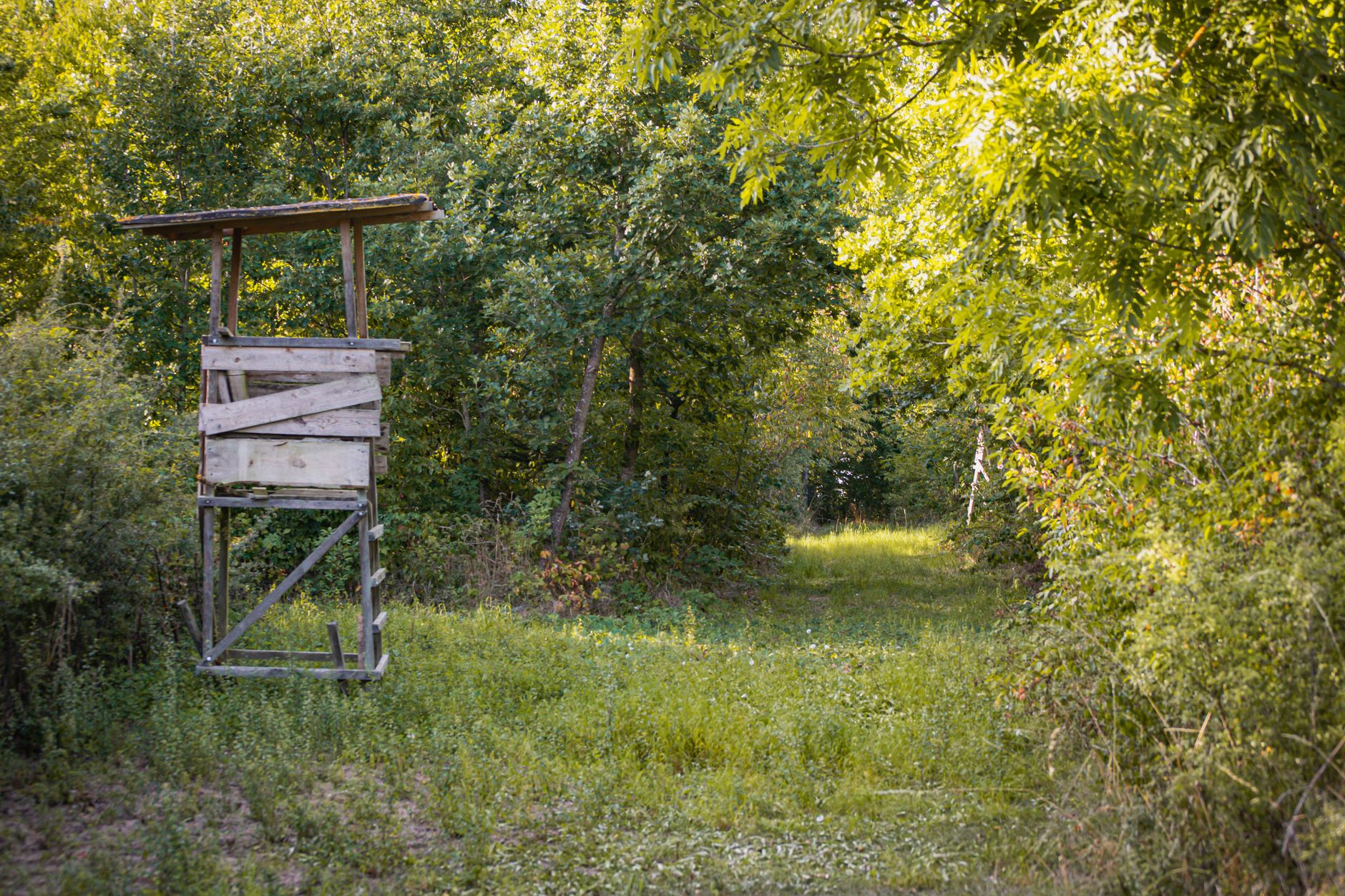
There’s a quiet revolution happening in Delaware’s antique hunting community this summer, and it’s not coming from the barns and attics where we find our treasures. It’s coming from Dover. While collectors across the Mid-Atlantic are enjoying primitive and antique hunting more than ever—driven by a post-pandemic surge in heritage appreciation and the “slow collecting” movement—Delaware’s Division of Fish and Wildlife dropped a regulatory bombshell that few saw coming. The antique hunting Delaware rules 2026 changes aren’t just bureaucratic tweaks; they’re reshaping how, when, and where you can legally pursue vintage firearms, decoys, trapping equipment, and other collectible hunting heritage items in the First State.
If you’re planning a Delaware antique road trip this fall or you’re a local picker who sources hunting collectibles for resale, ignoring these changes could cost you your license, your gear, or worse. Here’s everything you need to navigate the new landscape.
The New Tiered Permit System: What Replaced the Old General License
Delaware’s previous single-permit approach for antique hunting activities is gone. Starting January 2026, the state implemented a three-tier licensing structure that separates recreational collectors from commercial operators and heritage researchers.
Tier 1 — Recreational Antique Collector: Covers individuals seeking vintage hunting items for personal collection. Costs $45 annually (up from $32), but now includes explicit permission to recover antique decoys, pre-1940 firearms, and traditional trapping equipment from state-managed wildlife areas during designated windows.
Tier 2 — Commercial Vintage Dealer: Required if you sell more than $2,500 annually in antique hunting collectibles sourced from Delaware public lands or waterways. This $175 permit mandates detailed logging of finds, photographs, and sales records submitted quarterly through DNREC’s new digital portal.
Tier 3 — Heritage Researcher: A free permit for museums, historical societies, and academic researchers, but with strict limitations on removal of artifacts from discovery sites.
The critical change? Tier 1 holders can no longer legally sell their finds without upgrading to Tier 2 within 30 days of sale. Previously, casual collectors could occasionally sell duplicates without commercial licensing. That loophole is closed. DNREC’s enforcement division has already issued 23 citations in the first half of 2026 for unlicensed sales, according to internal reports obtained by collectors’ forums.
Sunday Restrictions and Seasonal Blackouts: Timing Is Everything
Perhaps the most disruptive antique hunting Delaware rules 2026 changes involve when you can actually search. Delaware has introduced staggered Sunday access that varies by region and collectible category.
For antique firearm and militaria collectors, Sundays are now completely blacked out on state wildlife areas. This directly targets the growing practice of “relic hunting” with metal detectors near historic hunting camps. The restriction runs October 1 through January 31—prime detecting season.
Vintage decoy and waterfowl heritage collectors face a narrower but sharper window: no access during active waterfowl hunting seasons in designated zones, even if you’re only collecting antique wooden decoys from shoreline areas. The 2026-2027 season dates have shifted earlier, starting November 14 for ducks and November 21 for geese, cutting two weeks off the fall collecting calendar.
However, primitive and antique hunting enthusiasts focusing on non-firearm, non-wildlife artifacts—think vintage hunting clothing, camp cookware, old maps, and printed ephemera—gain expanded access. These categories can now be collected on Sundays year-round in twelve newly designated “heritage corridors” along the Nanticoke, Broadkill, and St. Jones watersheds. DNREC’s interactive map (launched March 2026) marks these with green pins; red pins indicate full blackout zones.
Pro tip: The Sunday corridor system requires pre-registration through the DNREC app at least 48 hours in advance. Same-day visits are no longer permitted, and rangers are checking phones at trailheads.
The Digital Logging Mandate: Paper Notebooks Are Dead
Here’s where Delaware diverged dramatically from neighboring states. Every Tier 2 commercial operator—and any Tier 1 collector who finds certain “significant heritage items”—must now log discoveries through DNREC’s Heritage Recovery Portal within 72 hours of collection.
What triggers mandatory logging?
- Any firearm manufactured before 1899 (the federal antique threshold)
- Decoys attributable to named carvers from the Delaware School (Evans, Hudson, Perdew variants)
- Trapping equipment with patent dates prior to 1920
- Items recovered from submerged contexts in Delaware waterways
The portal requires GPS coordinates (automatically captured or manually entered), photographs from three angles, and a description of the recovery context. DNREC promises response within 10 business days; items may be tagged for mandatory 90-day hold while the state historical preservation office reviews.
Critically, the 2026 rules introduce provisional title transfer. Even after the 90-day hold, DNREC retains right of first refusal for museum acquisition at appraised fair market value. Three collectors have already seen rare Evans merganser decoys claimed under this provision in early 2026, with compensation averaging 60% of retail value versus the 40% typical of voluntary museum donations.
For the digital-averse, this is painful. For savvy operators, it’s created a new specialization: heritage documentation consultants who handle portal submissions for $75-150 per item. Several Delaware estate sale companies have already added this service.
Cross-Border Complications: Pennsylvania and Maryland Collectors Beware
Delaware’s 2026 rules created ripple effects for out-of-state collectors that previous regulations never addressed. If you hold a Pennsylvania or Maryland antique collecting permit, it no longer grants reciprocal access to Delaware public lands. Period.
The new rules require Delaware-specific Tier permits for any collection activity on state-managed properties, regardless of your home-state licensing. This hit Pennsylvania collectors particularly hard; the previously seamless Delaware River corridor collecting network is now bureaucratically fragmented.
However, there’s a narrow but valuable exception: private property access remains unchanged. Estate sales, farm auctions, and private landowner agreements operate under existing trespass and contract law, not the new DNREC permit system. This has intensified competition for Delaware estate sale listings, with several regional auction houses reporting 40% increases in consignment requests from out-of-state dealers seeking to bypass the public land restrictions.
For Maryland collectors, the timing is especially awkward. Maryland’s own antique hunting regulations are under review for 2027 harmonization with Delaware’s system, but no finalized rules exist. Collectors operating in both states currently need dual compliance systems—a logistical headache that regional collecting clubs are actively lobbying to resolve.
What These Changes Mean for Your 2026-2027 Collecting Strategy
The antique hunting Delaware rules 2026 changes aren’t designed to stop collecting; they’re designed to professionalize it and capture revenue from commercial activity that previously operated in gray zones. Smart collectors are adapting with three strategic shifts:
First, front-load your permit applications. DNREC’s portal experienced significant backlogs in January-February 2026. Apply for 2026-2027 renewals by August 1 to guarantee September processing. The division has capped Tier 2 permits at 400 statewide—a limit that may be reached by October based on current application velocity.
Second, cultivate private land relationships aggressively. The regulatory burden on public land collecting makes private estate sales, farm cleanouts, and generational household dispersals comparatively more attractive. Delaware’s aging rural population means significant inventory is still held in private hands, undocumented and unpermitted.
Third, specialize in the exempt categories. The Sunday corridor access for non-firearm, non-wildlife heritage items creates a competitive advantage for collectors who develop expertise in vintage hunting textiles, ephemera, and camp equipment. These categories face less regulatory friction and growing collector interest as the “enjoying primitive and antique hunting” aesthetic trends across social media and interior design.
The antique hunting Delaware rules 2026 changes have undeniably complicated the landscape, but they’ve also created clearer boundaries for legitimate collectors and reduced competition from casual, unpermitted operators. Know your tier, log your finds, respect the Sunday corridors, and Delaware’s antique hunting heritage remains accessible—just no longer as freely as before.