
Antique Porcelain Marks Identification Guide: Reading Backs Like a Pro
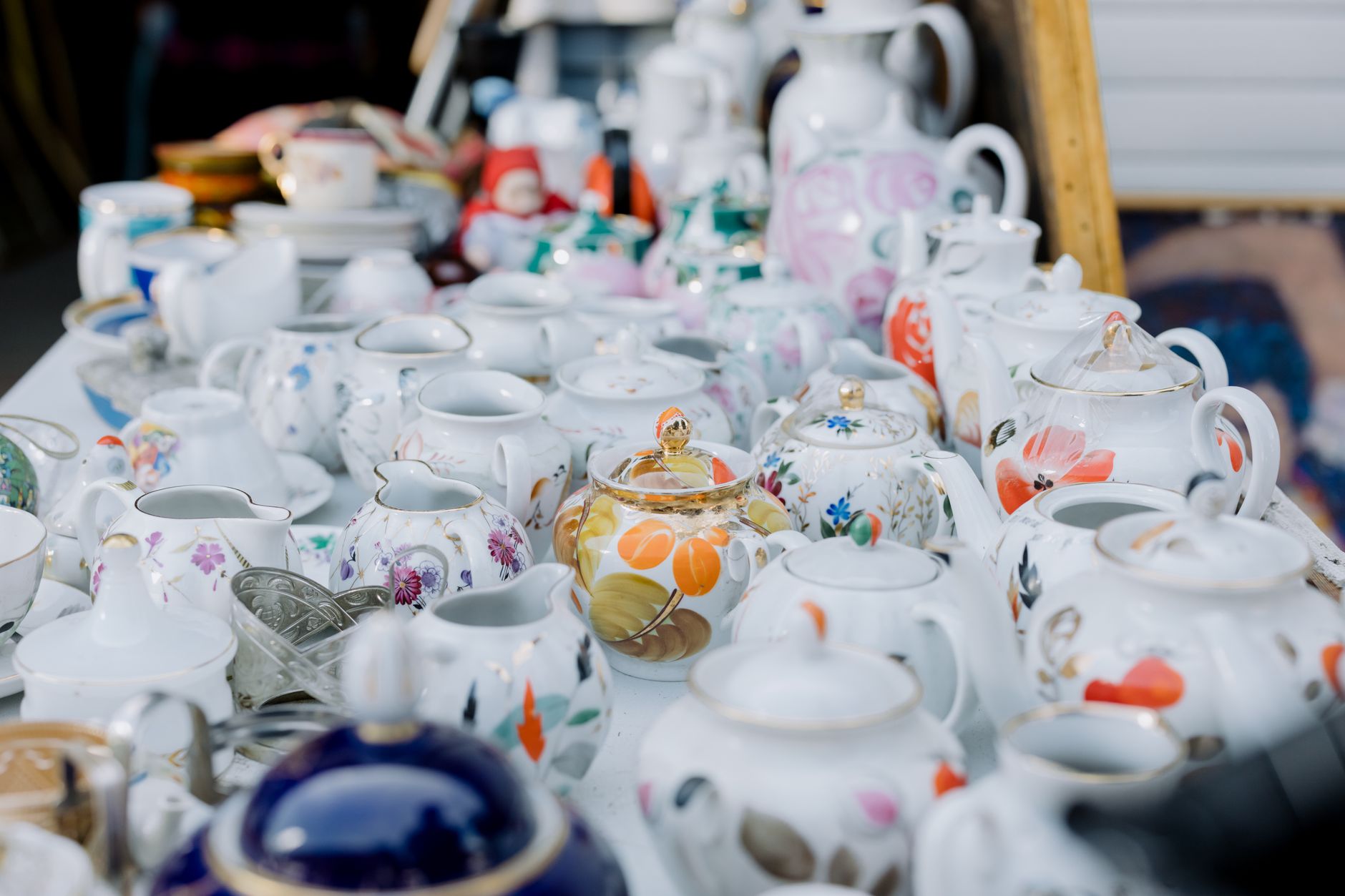
The antiques market is experiencing a porcelain renaissance right now. With estate sales flooded by downsizing baby boomers and online auction platforms making rare pieces accessible to everyday hunters, more collectors than ever are squinting at the undersides of teacups and vases. Yet here’s the uncomfortable truth: most beginners can’t tell a genuine Meissen crossed swords from a $20 reproduction. This antique porcelain marks identification guide will change that.
Unlike silver hallmarks or furniture joinery, porcelain marks tell a uniquely layered story. They reveal not just who made a piece, but often when, where, and sometimes even which artist painted it. Learning to decode these tiny stamps, incisions, and hand-painted symbols transforms you from a hopeful browser into a confident buyer who spots value others miss.
Why Porcelain Marks Matter More Than Ever in 2026
The porcelain market has shifted dramatically. Chinese export porcelain prices jumped 34% between 2024 and 2025, while European makers like Sèvres and Royal Copenhagen have seen renewed interest from younger collectors entering the market. With this surge comes a flood of fakes, reproductions, and “fantasy pieces” designed to deceive.
Here’s what makes porcelain marks your first line of defense:
- They’re harder to fake convincingly than overall appearance. A skilled forger can age porcelain, but replicating the exact impression depth, ink consistency, and placement of authentic marks requires expertise most counterfeiters lack.
- They often include date codes that pinpoint production to specific years or even months.
- They connect pieces to documented factory records, allowing verification through reference books and databases.
The collectors winning at estate sales right now aren’t necessarily the ones with the biggest budgets. They’re the ones who can flip a plate, recognize a Limoges mark variation from 1891 versus 1920, and know whether that $15 asking price represents a steal or a fair deal on a common reproduction.
The Anatomy of Porcelain Marks: What You’re Actually Looking At
Before diving into specific makers, understand the four main mark types you’ll encounter:
Printed marks appeared after 1850 and dominate mass-produced porcelain. These transfer-printed or stamped marks sit on top of the glaze and often show slight blurring at the edges under magnification. They’re the most commonly faked because the technology to reproduce them is widely available.
Incised marks were carved into the clay before firing. Run your finger across them—you’ll feel the indentation. These appear frequently on German and French porcelain from the 18th and early 19th centuries. They’re harder to fake but can be added to genuine blanks later.
Hand-painted marks required skilled factory artists and appear on higher-quality pieces. Look for slight variations in line thickness and the natural flow of a brush. Perfect uniformity suggests modern reproduction.
Impressed marks were stamped into wet clay using metal or wooden dies. Like incised marks, they’re tactile. The depth and clarity of the impression often indicates quality—crisp, deep impressions suggest careful factory production.
Most genuine antique pieces combine multiple mark types. A Royal Worcester piece might show an impressed shape number, a printed factory mark, and a hand-painted pattern number all on the same base.
Decoding the Major Players: Marks Worth Memorizing
Start your antique porcelain marks identification guide journey with these high-value makers whose marks appear frequently at estate sales and auctions:
Meissen (Germany): The famous crossed swords have been used since 1724, making them Europe’s oldest porcelain mark. Genuine marks show swords with slightly curved blades and detailed hilts. Beware of “Dresden” marks with crossed swords—these are later imitators, not the real thing. Authentic Meissen also includes impressed year cyphers and painter’s numbers.
Sèvres (France): Interlaced L’s enclosing a date letter dominated from 1753 onward. The factory used a complex dating system where letters correspond to specific years. Post-1848 marks often include “Sèvres” in a circle with the date. The soft-paste porcelain body of early pieces feels distinctly different from later hard-paste versions.
Royal Copenhagen (Denmark): Three wavy lines representing Denmark’s three straits have appeared since 1775. The crown above the waves was added in 1889. Date codes appear as dots or dashes above or below the waves—each position corresponds to specific years from 1935 onward.
Limoges (France): Here’s where beginners stumble. “Limoges” refers to a region, not a single factory. Dozens of manufacturers operated there, including Haviland, Pouyat, and Guérin. The mark “Limoges France” alone indicates post-1891 production (when American import laws required country of origin). Earlier pieces may show only the factory mark or decorator’s mark.
Wedgwood (England): The name itself is the mark, usually in uppercase letters. Date codes use a three-letter system from 1860-1930, where the first letter indicates the month, the second the potter, and the third the year. Jasperware pieces almost always include “Wedgwood” impressed into the body.
Red Flags: Spotting Fakes and Reproductions
The porcelain reproduction market exploded in the 1970s and hasn’t slowed. These pieces now flood estate sales as original owners pass away, often with family members genuinely believing they’re authentic. Protect yourself with these field-tested checks:
Weight and translucency: Genuine hard-paste porcelain feels substantial but shows light through thin areas when held to a bright source. Reproductions often use heavier, opaque bodies.
Mark placement: Authentic marks sit centered and level. Crooked, off-center, or multiple overlapping marks suggest later additions or factory seconds being passed as firsts.
Glaze consistency: Antique porcelain shows subtle glaze irregularities—tiny bubbles, slight color variations, minor kiln grit on the base. Perfect uniformity screams modern production.
The “Made in” problem: Any mark including “Made in [Country]” indicates 20th-century production for export markets. Genuine 18th and early 19th-century pieces never include this phrasing.
Too-perfect condition: A 200-year-old plate with zero utensil marks, no glaze crazing, and perfect gilding deserves skepticism. Honest wear patterns authenticate age better than any mark.
Building Your Reference Library and Verification Habits
Serious collectors don’t rely on memory alone. Build these verification habits into your hunting routine:
Photograph everything. Use your phone to capture marks from multiple angles with a ruler for scale. Compare against references later rather than making rushed decisions under estate sale pressure.
Invest in two essential references: Kovels’ Dictionary of Marks for broad coverage and Miller’s Porcelain Marks for European specialists. Both include clear photographs rather than line drawings, which matters when comparing subtle variations.
Use online databases strategically. The Porcelain Marks & More website and the Gotheborg discussion boards provide free access to thousands of documented marks. Search by visual characteristics when you can’t identify the maker.
Join collector communities. Facebook groups dedicated to specific makers (Meissen, Royal Worcester, etc.) include members who can often identify obscure marks within hours. Post clear photos and ask specific questions.
Handle known authentic pieces. Visit museums with strong ceramics collections. Many allow handling of study collection pieces. The tactile memory of genuine 18th-century porcelain—its weight, glaze texture, and ring when tapped—becomes an authentication tool no book provides.
Your Next Steps as a Mark-Literate Hunter
This antique porcelain marks identification guide gives you the foundation, but expertise develops through deliberate practice. Start by examining every piece you already own. Photograph the marks, research their meanings, and note what you learn. Visit three estate sales this month with the specific goal of identifying marks before checking prices—train your eye without the pressure to buy.
The porcelain market rewards knowledge disproportionately. That $8 saucer with the obscure Nymphenburg shield mark could be worth $200 to the right collector. The “Meissen-style” vase priced at $150 might be a $15 reproduction. Your ability to read the difference transforms antique hunting from gambling into skilled acquisition.
The marks are there, waiting to be read. Now you know how to start reading them.