
Antique Quilt Dating Patterns Identification Guide: How to Read the Stitches of History
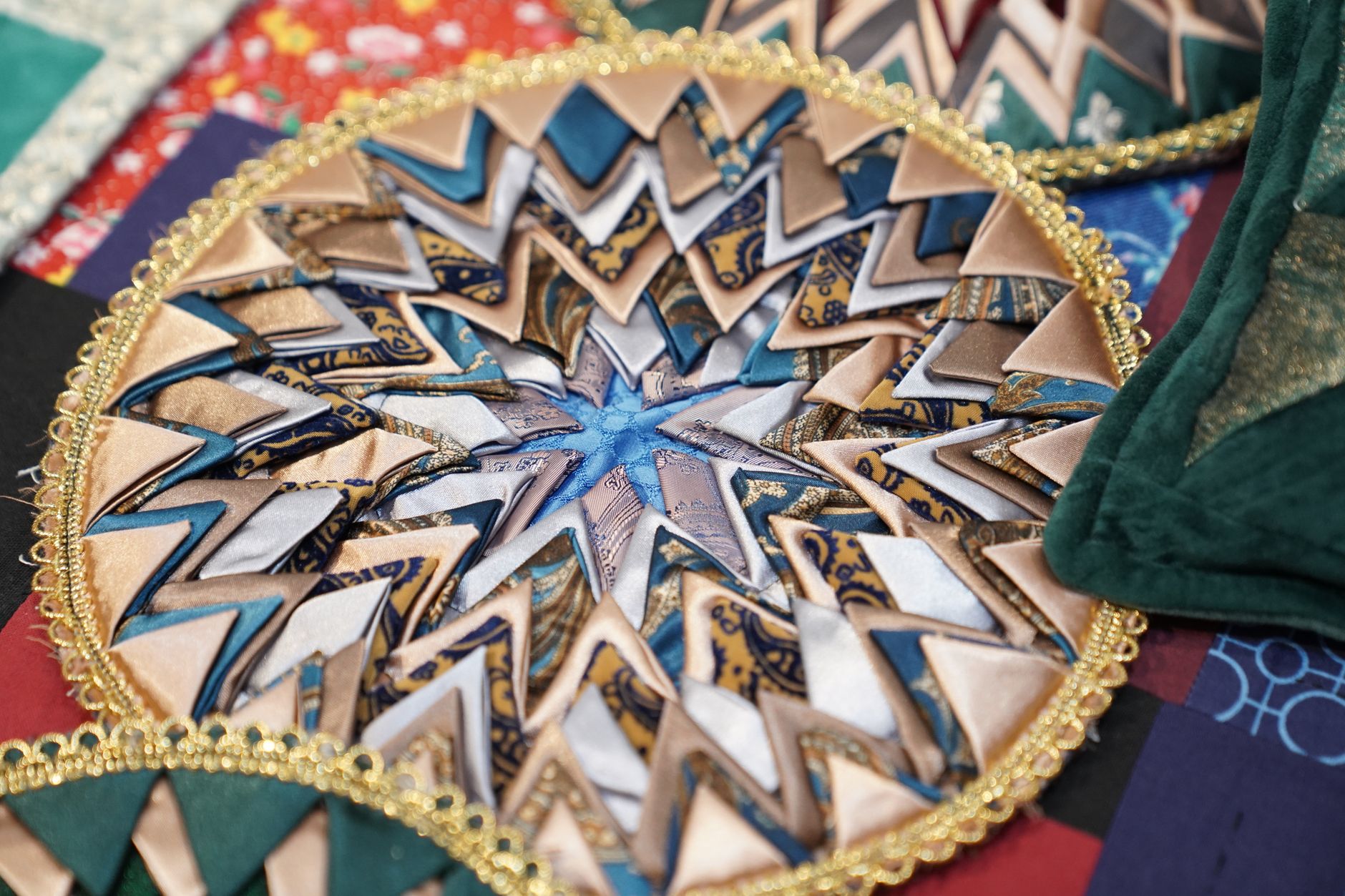
The 2026 surge in heritage tourism has sparked unprecedented interest in American-made textiles, with heritage museums from Lancaster to Lowell reporting 40% increases in quilt documentation requests. As estate sale season peaks this September, collectors are scrambling to distinguish genuine pre-1950 quilts from clever reproductions flooding the market. Whether you’ve inherited a stack of folded quilts from a grandmother’s cedar chest or spotted a promising Double Wedding Ring at a weekend estate sale, knowing how to read a quilt’s hidden language separates the savvy collector from the overpaying novice.
This antique quilt dating patterns identification guide walks you through the concrete markers—fabric content, stitching density, pattern evolution, and construction quirks—that reveal when a quilt was truly born.
Why Pattern Names Alone Won’t Date Your Quilt
Here’s the trap most beginners fall into: assuming a pattern’s invention date equals the quilt’s creation date. The Log Cabin pattern, for instance, exploded in popularity after the Civil War but experienced three major revival waves—1880s, 1920s, and 1970s bicentennial fever. A 1976 Log Cabin quilt using polyester blends and machine stitching sits beside identical-looking 1880s versions in many estate sale piles.
The pattern provides your starting hypothesis, not your verdict. Use these documented pattern emergence dates as framework, not proof:
- Sunbonnet Sue / Overall Sam: 1900-1930 peak, but reproduced continuously
- Grandmother’s Flower Garden: 1920s-1930s hexagon craze, rarely pre-1920
- Double Wedding Ring: 1920s-1930s origin, massive 1970s reproduction wave
- Crazy quilts: 1880s-1900 velvet and silk era, 1920s cotton revival
- Feed sack quilts: 1930s-1950s only, when printed cotton flour sacks became available
The real dating work happens in the materials and method details below.
Fabric Fiber Analysis: The Touch Test That Reveals Decades
Pre-1950 quilts contain specific fiber signatures that synthetic-era reproductions cannot replicate. Run these quick field tests at estate sales before committing to purchase:
Burn testing (snip a hidden thread from the binding edge): Cotton smells like burning paper, linen like burning grass, silk like burning hair, and wool like burning hair with sputtering. Polyester melts into a hard bead and smells chemical—immediate post-1950 red flag.
Microscope or strong loupe examination: Pre-1860 cotton shows irregular fiber diameter and natural plant debris. Ring-spun cotton (1860-1950) shows more uniformity. Open-end spun cotton (post-1950) appears perfectly uniform with occasional wrapper fibers.
Mercerization check: Hold fabric to light. Mercerized cotton (post-1890) has a subtle sheen and increased strength. Unmercerized pre-1890 cotton appears matte and slightly weaker.
The 1930s feed sack era presents a special case. Authentic feed sack cotton carries faint printed brand marks on reverse sides—Morton Salt, Pillsbury, Sunbonnet Sue fabric lines. Reproduction “feed sack” prints from the 1990s reproduce the front patterns but never the commercial branding on back.
Stitch Count Per Inch: The Numerical Truth-Teller
Quilt historians have established remarkably consistent stitching-per-inch (SPI) benchmarks across eras. Grab a measuring tape or use the quarter’s 1-inch diameter for quick reference:
| Era | Hand-quilting SPI | Notes |
|---|---|---|
| Pre-1860 | 10-15 | Often finer on best quilts |
| 1860-1900 | 8-12 | Standard for good quality |
| 1900-1920 | 6-10 | Declining as quilts became more utilitarian |
| 1920-1940 | 6-8 | Depression era speed quilting |
| Post-1950 | Variable | Machine quilting appears; hand work often 4-6 SPI |
Count stitches across three different 1-inch sections of the quilt, avoiding borders where quilters often showed off. Consistent 12+ SPI suggests pre-1860 or exceptional later work. Below 6 SPI with synthetic batting points decisively post-1950.
Batting material provides parallel clues: Cotton batting (pre-1940) clumps and shifts, creating characteristic hills and valleys. Polyester batting (post-1950) stays uniformly fluffy. Cotton batting with walnut hull or tea dying shows pre-1900 aging patterns.
The Hidden Construction Clues Experts Check First
Flip the quilt. The backside reveals what the front conceals.
Seam allowances: Pre-1870 quilts often used 3/8-inch or narrower allowances, as fabric was precious. Post-1920 allowances widened to 1/2-inch or more as commercial fabric became cheaper.
Binding attachment: Pre-1900 quilts frequently show bindings cut on the straight grain, applied with whipstitch or straight grain edges. Bias-cut bindings (more flexible, less wear) became standard after 1920.
Backing fabric width: Before 1860, fabric widths measured 36 inches or less. Wider backings without seams suggest post-1860 manufacture. A seamless 90-inch backing on a claimed “1840s quilt” demands immediate skepticism.
Chintz and glazed fabrics: True 1820s-1840s chintz carries a distinctive wax glaze that modern reproductions cannot replicate—the surface feels slightly tacky and smells of linseed oil when warmed in your hands. Reproduction chintz feels slick-plastic.
Dating Dilemmas: The Reproduction Red Flags of 2026
The current market presents specific hazards that didn’t exist a decade ago. Chinese import reproductions from the 1990s-2000s now age into plausible “vintage” appearance. Etsy “aged” quilts using tea staining, sandpaper abrasion, and deliberate moth holes fool casual buyers.
Run this 2026-specific verification checklist:
- Smell test: Genuine old quilts smell of cedar, lavender, or neutral aged cotton. Reproduction aging uses vinegar or commercial “antique” sprays—sharp, chemical, or deliberately musty in artificial ways.
- Fading patterns: Authentic sun fading occurs on the fold lines and outer edges where quilts draped over lines. Uniform “fading” suggests deliberate bleaching.
- Thread color: Synthetic dyes post-1940 produce colors that stay unnaturally vibrant. Pre-1940 vegetable dyes show characteristic softening—indigo becomes dusty blue, madder red rusts toward brick.
The 1976 Bicentennial reproduction wave deserves special mention. Millions of “colonial” pattern quilts emerged with pre-printed embroidery lines, polyester-cotton blends, and machine quilting disguised with hand-finishing. These now appear at estate sales as “vintage” without the reproduction context.
Building Your Reference Library: The Three Books That Actually Help
Pattern identification requires visual comparison with dated examples. Skip generic “quilt pattern encyclopedias” and invest in these chronologically organized references:
- Barbara Brackman’s Clues in the Calico (1989): The definitive dating methodology text, organized by fabric and construction rather than pattern alone.
- America’s Printed Fabrics 1770-1890 by Susan Swager (1994): Essential for identifying printed cotton chronology through specific roller-printing patterns.
- Dating Fabrics: A Color Guide by Eileen Jahnke Trestain (3 volumes, 1998-2009): Photographic timeline of actual fabric swatches with documented dates.
Online, the Quilt Index (quiltindex.org) maintains searchable records of over 80,000 documented quilts with provenance. Compare your questionable estate sale find against museum-documented examples before purchasing.
Conclusion: From Pattern Guesswork to Documented Confidence
This antique quilt dating patterns identification guide gives you a systematic framework that moves beyond pattern-name wishful thinking. The September 2026 estate sale season offers genuine opportunities—depression-era quilts remain undervalued at $75-200, while pre-1860 examples with documented provenance command $2,000+. The difference between those price tiers isn’t the pattern name on a tag; it’s the verifiable evidence in the fibers, stitches, and construction details you’ve learned to read.
Start with fabric analysis, confirm with SPI counting, verify construction methods, and cross-reference against dated examples. The quilt’s story lives in its materials, not its marketing. Train your eyes, trust your burn test, and that next estate sale stack of folded quilts becomes a readable archive rather than a guessing game.