
Brocante Market South France First Timers: The Insider's Scoring Guide to L'Isle-sur-la-Sorgue, Lourmarin & Beyond
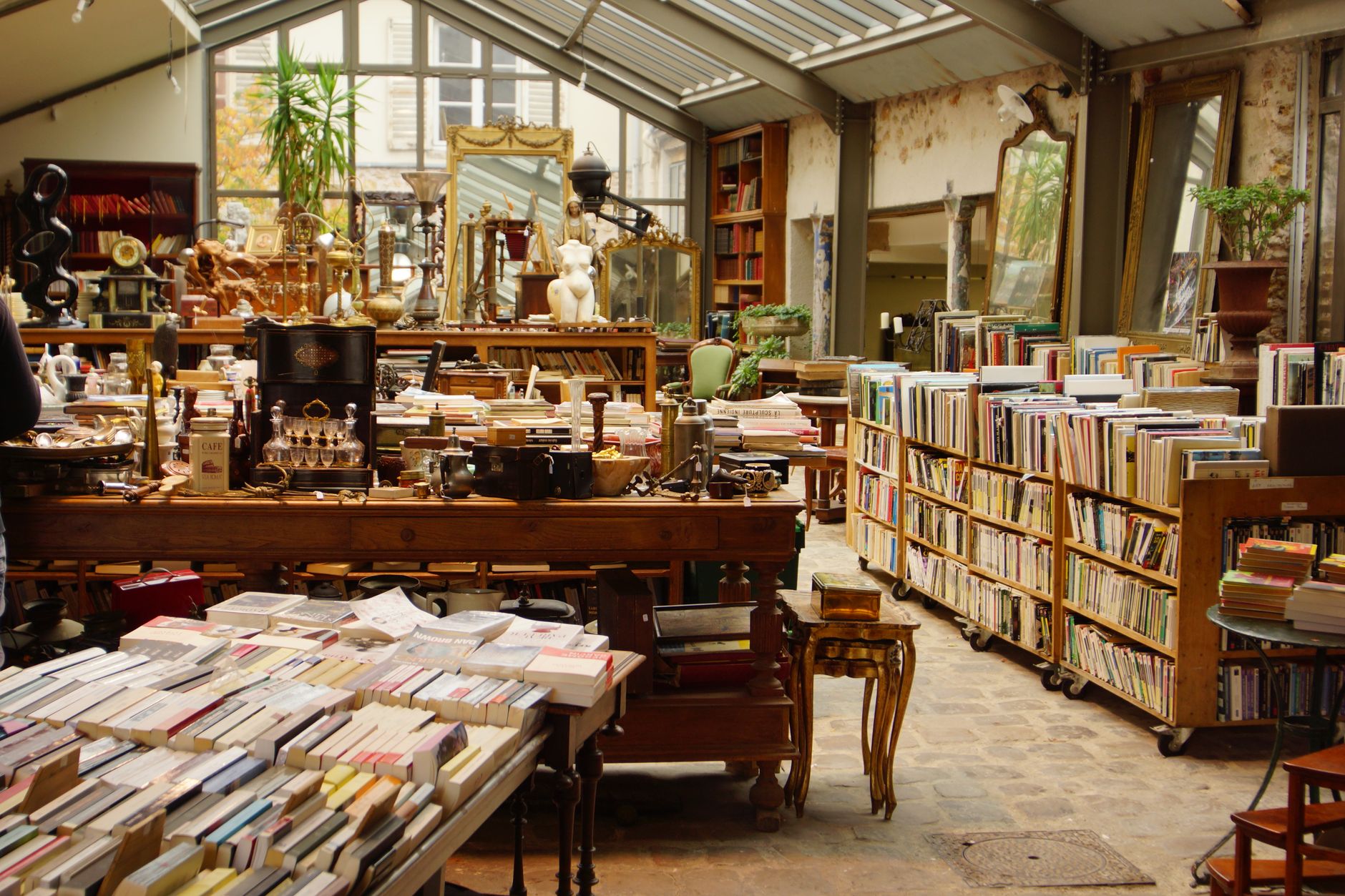
The antique world is buzzing with speculation. Dealers and collectors are already placing bets on what will explode in value next year—ceramicist Roger Capron’s sunburst tiles, 1970s Provençal pottery, even humble French confit pots in ocher glaze. “Hot Antiques for 2026…Maybe!” isn’t just cocktail chatter at the Paris Puces; it’s reshaping where smart buyers hunt and when they show up. For brocante market South France first timers, this means your maiden voyage to Provence isn’t just a romantic treasure hunt—it’s a strategic move into a market that’s still undervalued compared to Paris, but rapidly catching the attention of international collectors.
If you’ve never navigated the dusty lanes of L’Isle-sur-la-Sorgue’s Sunday market or arrived at dawn in Lourmarin, you’re entering a scene with unwritten rules, seasonal rhythms, and regional specialties that can make or break your first trip. This guide skips the generic “wander and see what you find” advice. Here’s how to actually score.
Why South France Brocantes Beat Paris for First Timers
Let’s be direct: Paris markets are magnificent, exhausting, and picked over by 8:15 AM. The brocante market South France first timers experience offers something gentler and, in many categories, more lucrative.
Provence and the broader South operate on village time. Markets often run until 1 PM or later, giving you breathing room. Stall fees are lower, which attracts regional families clearing grand-mère’s house rather than professional dealers with Paris rent to cover. The result? Better prices on authentic regional pieces—terre cuite pottery from Biot, hand-loomed Provençal textiles, early 20th-century santon figurines—items that command premium prices once they reach London or New York showrooms.
The 2026 trend forecasters are specifically watching “rustic modern”—the marriage of weathered French farmhouse pieces with clean contemporary spaces. South France is where this aesthetic originates. You’re buying at the source, often from sellers who don’t yet know what they have.
The Three Markets That Reward First Timers Most
Not all brocantes welcome newcomers equally. These three offer the best combination of accessibility, authenticity, and manageable competition:
L’Isle-sur-la-Sorgue (Sundays, plus August antique fairs) The “Venice of Provence” hosts one of France’s largest outdoor markets. For first timers, the key is arriving by 7:30 AM—not for the antiques section, but for the vide-grenier (attic emptying) stalls that line the outer perimeter. These amateur sellers price emotionally, not commercially. A 1960s Vallauris ceramic ashtray might be €8 here versus €45 from an established dealer three rows in. The antique dealers proper set up along the Sorgue river; they’re knowledgeable but negotiable after 11 AM when foot traffic thins.
Lourmarin (Friday mornings) Smaller, more curated, and heavily patronized by local interior designers. This works for first timers because sellers here expect educated buyers and price accordingly—but they also carry higher-quality inventory. The secret: Friday afternoons. Official hours end at noon, but many dealers linger, packing slowly. This is when “last chance” discounts emerge, especially on larger furniture pieces they don’t want to truck home.
Vaison-la-Romaine (Tuesday mornings, year-round) Less touristed, more agricultural. You’ll find vineyard tools, ancient limestone évier sinks, and ironwork that decorators are currently sourcing for the “organic modern” 2026 look. The Tuesday timing also means you’re shopping after weekend dealers have already departed, leaving genuine local stock.
Timing Your First Trip: Season, Weather, and the Secret Calendar
Most brocante market South France first timers default to July or August. This is a mistake.
August brings les vacances—Parisians fleeing south, markets swollen with tourists, prices inflated 20-30%. The sweet spot is late May through mid-June or mid-September through October. Weather remains glorious, accommodation costs drop, and sellers are hungry before or after peak season.
Critical timing knowledge: French brocantes follow a calendrier you won’t find on English-language tourism sites. The “brocante season” officially runs from Easter to November, but the brocantes des villages (village-wide sales) cluster around specific dates:
- Ascension weekend (May, date varies): Massive village clearances, often unadvertised internationally
- 14 Juillet (Bastille Day): Surprisingly active market day, many dealers setting up early for the week
- Toussaint (November 1): End-of-season liquidation, dealers clearing inventory before winter storage
For 2026 specifically, note that Easter falls April 5—early, extending the profitable season. The “Hot Antiques for 2026…Maybe!” speculation is already driving advance scouting trips in late March.
What to Actually Pack (Beyond the Obvious)
First timers often arrive with cash and a tape measure. You need more:
- A collapsible wagon or folding cart: South France markets are cobblestoned; parking is distant. Successful buyers make multiple trips to their vehicles. The €12 cart from any hypermarché pays for itself immediately.
- Gloves: Not for hygiene—for handling iron, ceramics, and rough wood without destroying your hands or the patina sellers prize.
- A phone loaded with offline French: Not for conversation, but for photographing maker’s marks and comparing against closed Facebook groups where French dealers trade intelligence. “Vallauris,” “Dieulefit,” “Mourre-Nègre”—knowing these pottery centers by sight accelerates your buying decisions.
- €200 in €20 notes: Large denominations complicate negotiation. Small bills signal “this is my final offer” and close deals faster.
Haggling Like Someone Who Belongs There
The French marchandage has rules. Violate them and prices mysteriously firm up.
Never open with “how much?” in English. Even minimal French—“C’est combien, s’il vous plaît?”—establishes respect. Wait for the response, then pause. The uncomfortable silence is your tool.
Never offer half unless the item is genuinely damaged. Insulting offers get remembered; brocante communities are tight. A 15-20% reduction is standard; 25-30% is achievable on items priced over €80 or after 11 AM.
Bundle aggressively. “I’ll take the three pottery bowls and the zinc pitcher” creates a narrative of commitment. Sellers mentally discount when they see inventory moving.
The walk-away is real. If you return within ten minutes, the price rarely drops further. But if you genuinely depart and circle back 30 minutes later, you’ll often find the item “reserved” for you at your stated price—a face-saving compromise.
The 2026 Angle: What to Actually Hunt For
The speculation isn’t empty hype. Based on dealer chatter and auction pre-catalogues, these categories are heating specifically in South French brocantes:
- 1960s-70s Provençal studio pottery: Not Picasso’s Madoura (already priced out), but second-generation Vallauris potters like Gilbert Portanier and Jean Derval. Still findable under €50, climbing fast.
- Woven rush and oak furniture: The “Josef Frank meets farmhouse” aesthetic is driving demand for original Provençal paillasse seating and réfectoire tables.
- Vintage santon nativity figures: Folk art credibility rising; complete 1950s-60s sets from Atelier Fouque or Jouve are undervalued compared to Italian presepio figures.
- Industrial moule molds: Chocolate, ceramic, and metal factory molds from closed usines around Apt and Apt. Decorative and historically significant.
Your First Morning: A Play-by-Play
Here’s how a successful first-timer actually operates:
6:45 AM: Coffee and tartine at your accommodation. Markets start forming at 7:00; you want to arrive as the last truck unloads.
7:30 AM: Outer perimeter sweep. Amateur sellers are still setting up, often pricing from memory. Move fast, ask questions later.
9:00 AM: Inner dealer section. Now you’re comparing, not buying. Note locations, return to promising stalls after 10:30.
10:30 AM: Negotiation window. Sellers have invested the morning; they want to justify the setup. First purchases happen now.
12:00 PM: Final circuit. Déjeuner is sacred; stalls empty rapidly. Last-minute deals on anything bulky.
1:00 PM: Déjeuner with your acquisitions. The Provençal market tradition is buying, then celebrating with rosé and aïoli. You’ve earned it.
Conclusion: Your First Brocante Is Practice for Your Fifth
Every brocante market South France first timers experience involves mistakes—the overpriced “bargain,” the walked-away-from treasure, the misidentified reproduction. This is tuition. What separates successful collectors from tourists is treating that first trip as reconnaissance, not just shopping.
The 2026 market is shifting. Parisian dealers are already driving south more frequently, following the trend speculation. Your window for advantageous first-timer buying in Provence is genuinely narrowing—not dramatically, but measurably. The “Hot Antiques for 2026…Maybe!” conversation will resolve into certainty by autumn, and prices will adjust.
Go now. Arrive early, pack light, carry small bills, and remember: the best find at any brocante isn’t the object you buy, but the dealer relationship you begin. That marchand in Lourmarin who grudgingly accepted your €40 offer in June? They’ll remember you in September, and they’ll show you what they held back.