How to Identify Antique Depression Glass: A Collector's Field Guide for 2026
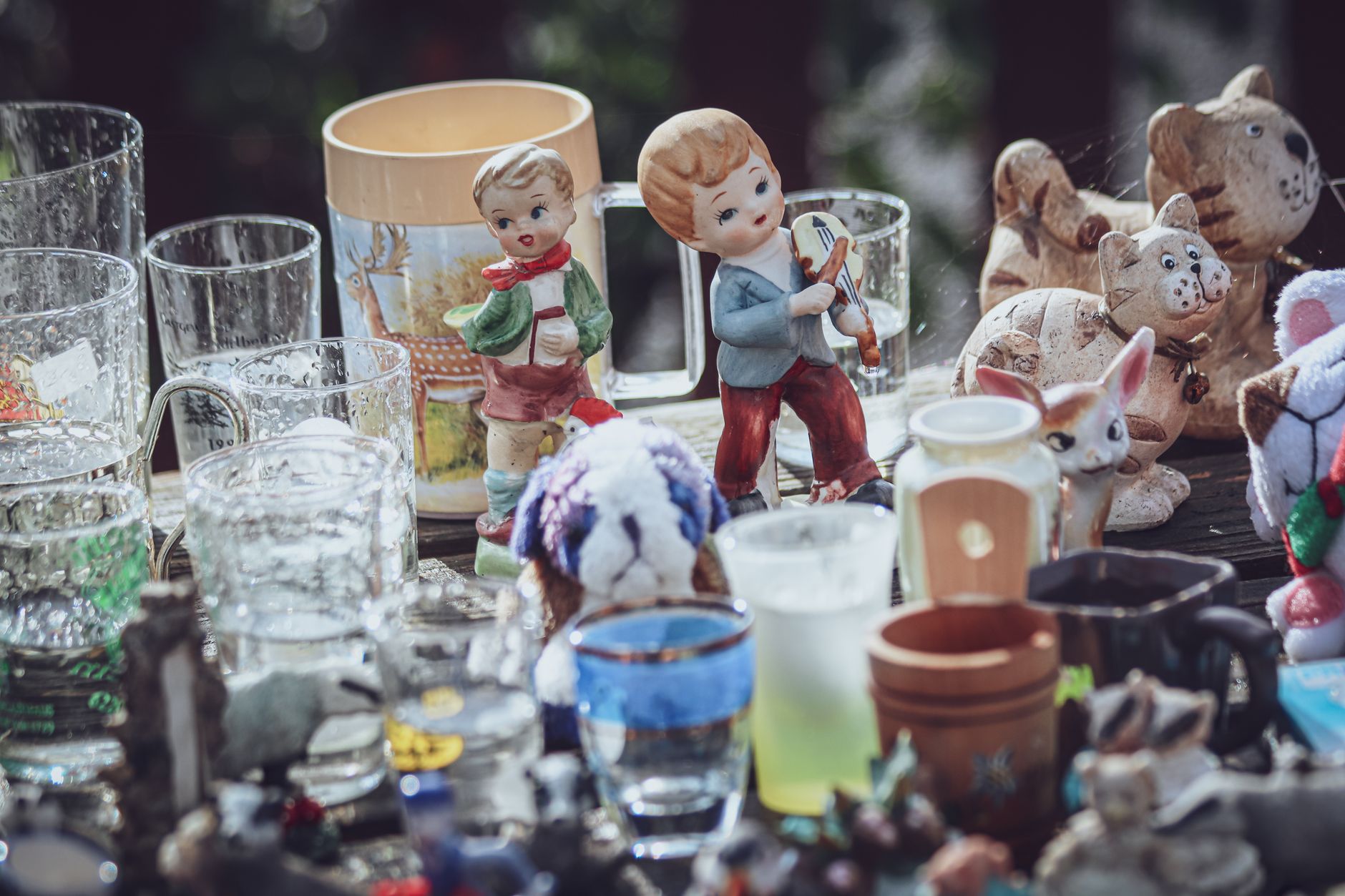
The fall 2026 estate sale season is in full swing, and depression glass is having a serious moment. Auction houses report a 34% increase in glassware lots this quarter, and Instagram’s #DepressionGlass community just hit 2.1 million posts. But here’s the problem: reproductions are flooding the market faster than ever, and even experienced pickers are getting fooled.
Learning how to identify antique depression glass isn’t just about avoiding fakes—it’s about recognizing value when everyone else walks past it. That pink platter at the garage sale for $3? It could be a $180 Jeannette Cherry Blossom. Or it could be a 1980s reproduction worth $8. The difference is in the details.
This guide gives you the exact authentication framework professional appraisers use, broken down into actionable checkpoints you can apply in the field.
Understanding What Makes Depression Glass “Antique”
First, let’s clear up terminology. True depression glass was manufactured between 1929 and 1939, primarily in the United States. Companies like Anchor Hocking, Jeannette, Hazel-Atlas, and Federal Glass produced affordable, machine-made glassware during the Great Depression.
By strict antique standards (100+ years old), depression glass won’t technically qualify until 2029. But in the collector market, “antique depression glass” refers to original Depression-era pieces versus the reproductions that started appearing in the 1970s and continue today.
Key characteristics of authentic pieces:
- Mold seams: Original depression glass has visible mold lines, but they’re relatively smooth and consistent
- Straw marks: Tiny lines or creases in the glass from the manufacturing process—these are good signs
- Bubbles: Small air bubbles throughout the glass indicate period manufacturing techniques
- Weight: Generally lighter than modern glass due to thinner walls and specific glass formulas
The glass itself was made quickly and cheaply. Ironically, those imperfections—bubbles, slight color variations, mold marks—are now your authentication friends.
Master the Major Patterns and Manufacturers
You can’t identify what you don’t know. There are over 100 documented depression glass patterns, but about 15 account for 80% of what you’ll encounter in the wild.
The “Big Five” patterns every collector should memorize:
- Cameo (Anchor Hocking, 1930-1934): Dancing girl motif, usually green or yellow
- Cherry Blossom (Jeannette, 1930-1939): Delicate floral design, pink is most common
- Mayfair (Anchor Hocking, 1931-1937): Open rose pattern, pink and green dominate
- Sharon/Cabbage Rose (Federal Glass, 1935-1939): Bold rose design, often amber or pink
- Royal Lace (Hazel-Atlas, 1934-1941): Intricate lace pattern, cobalt blue commands premium prices
Download pattern reference images to your phone before you shop. The Replacements Ltd. website and the National Depression Glass Association database are gold standards. When you’re standing at an estate sale, you need visual confirmation in under 30 seconds.
Manufacturer marks matter less than you think. Most depression glass was unmarked. Anchor Hocking used an anchor symbol on some pieces, but it’s not universal. Don’t rely on marks—rely on pattern, color, and construction quality.
Color Is Your First Authentication Checkpoint
Color tells you immediately whether you’re looking at authentic depression glass or a reproduction. The original color palette was specific and limited.
Authentic Depression-era colors:
- Pink: Ranges from pale to deep rose; should have slight orange undertones in natural light
- Green: From light apple green to deep forest; uranium glass glows under blacklight
- Amber/Gold: Warm honey tones, never brassy
- Cobalt blue: Deep, rich blue (primarily Hazel-Atlas Royal Lace and Moderntone)
- Crystal (clear): Often with a slight yellow or gray tint from age
- Red: Rare and valuable; ruby red, not orange-red
- Delphite (opaque blue): Milk glass with blue coloring
- Jadeite: Opaque green (technically later, 1940s, but often grouped with depression glass)
Red flags for reproductions:
- Colors that are too vibrant or “perfect”
- Purple or lavender glass (almost always reproduction or later production)
- Black glass (extremely rare in authentic pieces)
- Iridized or carnival glass finishes on depression glass patterns
Here’s a field test: hold the piece up to natural sunlight. Authentic depression glass has subtle color variations within a single piece due to the batch mixing process. Reproductions have uniform, consistent color throughout.
Construction Details That Separate Real from Fake
This is where you catch the sophisticated reproductions. Pick up the piece—literally. The physical characteristics tell the story.
Weight and thickness test:
Original depression glass is surprisingly lightweight. Manufacturers used minimal glass to keep costs down. A dinner plate should feel almost delicate. Reproductions from the 1970s-1990s used thicker glass and feel noticeably heavier.
A pink Cherry Blossom dinner plate from 1935 weighs approximately 8-9 ounces. The 1980s reproduction? Nearly 12 ounces.
Edge examination:
Run your finger along the rim. Authentic pieces have slightly rough or sharp edges from the mold—manufacturers didn’t polish edges on cheap glassware. If the edge is perfectly smooth and rounded, it’s either a reproduction or a later, higher-quality piece.
Mold line inspection:
Look for mold seams running vertically on the piece. Original depression glass has seams that are:
- Present but not overly prominent
- Consistent in width
- Slightly offset (the two mold halves didn’t align perfectly)
Reproductions often have either no visible seams (modern molds are better) or overly pronounced, sloppy seams (trying to mimic age).
The blacklight test:
Carry a small UV flashlight. Green depression glass contains uranium oxide and glows bright green under blacklight—this is authentic. But here’s the catch: some reproductions also contain uranium. Use this test to confirm age-appropriate glass composition, not as the sole authentication method.
Spotting the Most Common Reproductions in 2026
The reproduction market has gotten sophisticated. Here are the specific fakes circulating right now that you need to know:
Cherry Blossom reproductions (1970s-1990s): Jeannette reissued this pattern. The reproductions are marked with a small “J” in a triangle on the bottom. Colors are slightly off—pink is too salmon, green is too lime.
Cameo reproductions (1980s): Made in Taiwan. The dancing girl figures are less detailed—faces lack definition. Glass is thicker and heavier. Color is too uniform.
Mayfair “Open Rose” reproductions (ongoing): Still being produced. The roses are less detailed, with fewer petals. Pink is too bright, almost hot pink versus the original soft rose.
Royal Lace reproductions (1970s): Hazel-Atlas reissued cobalt blue pieces. Look for the “H over A” mark—if it’s crisp and clear, it’s likely a reproduction. Original marks (when present) are often partially worn or less defined.
The 2026 twist: Chinese manufacturers are now producing “vintage-style” depression glass patterns with intentional imperfections—bubbles, straw marks, mold lines—to fool collectors. These pieces have one tell: the glass formula is wrong. It’s too clear, too perfect in composition. Authentic depression glass has a slight gray or yellow tint in crystal pieces due to impurities in the sand.
Price Reality Check: What Authentic Pieces Actually Cost
Knowing current market values helps you spot deals and avoid overpaying for reproductions.
October 2026 market prices for common patterns (excellent condition):
- Pink Cherry Blossom dinner plate: $18-28
- Green Cameo sherbet: $12-20
- Cobalt Royal Lace cup and saucer: $45-65
- Pink Mayfair cake plate: $35-50
- Amber Sharon vegetable bowl: $15-25
Rare colors and pieces command premiums:
- Red depression glass (any pattern): 3-5x standard color prices
- Delphite Cherry Blossom: $75-150 per piece
- Pink Royal Lace (rare): $60-90 for basic pieces
If someone is selling a “rare” pink Royal Lace dinner service for $200, walk away. Either it’s reproduction or the seller doesn’t know what they have. Authentic rare pieces are priced accordingly.
Your Action Plan for the Next Estate Sale
You now know how to identify antique depression glass using the same systematic approach professionals use. Here’s your field checklist:
Before you buy:
- Identify the pattern using your phone reference images
- Check the color against authentic examples
- Pick it up—does the weight feel right?
- Examine edges and mold seams
- Look for bubbles and straw marks
- Use your blacklight on green glass
- Check for reproduction marks
- Compare the price to current market values
Start your collection strategically: Focus on one pattern and one color. Learn everything about it. Become the person who can spot a Cherry Blossom reproduction from across the room. Then expand.
The fall estate sale season runs through mid-November in most regions. This is prime picking time—families are clearing estates before the holidays, and inventory is high. Armed with these authentication skills, you’re ready to find the real treasures while everyone else is guessing.
Now get out there. That $3 pink platter is waiting.