
Skyrocket Antiques 2026 Early Buying Guide: What Veteran Dealers Are Secretly Stockpiling Right Now
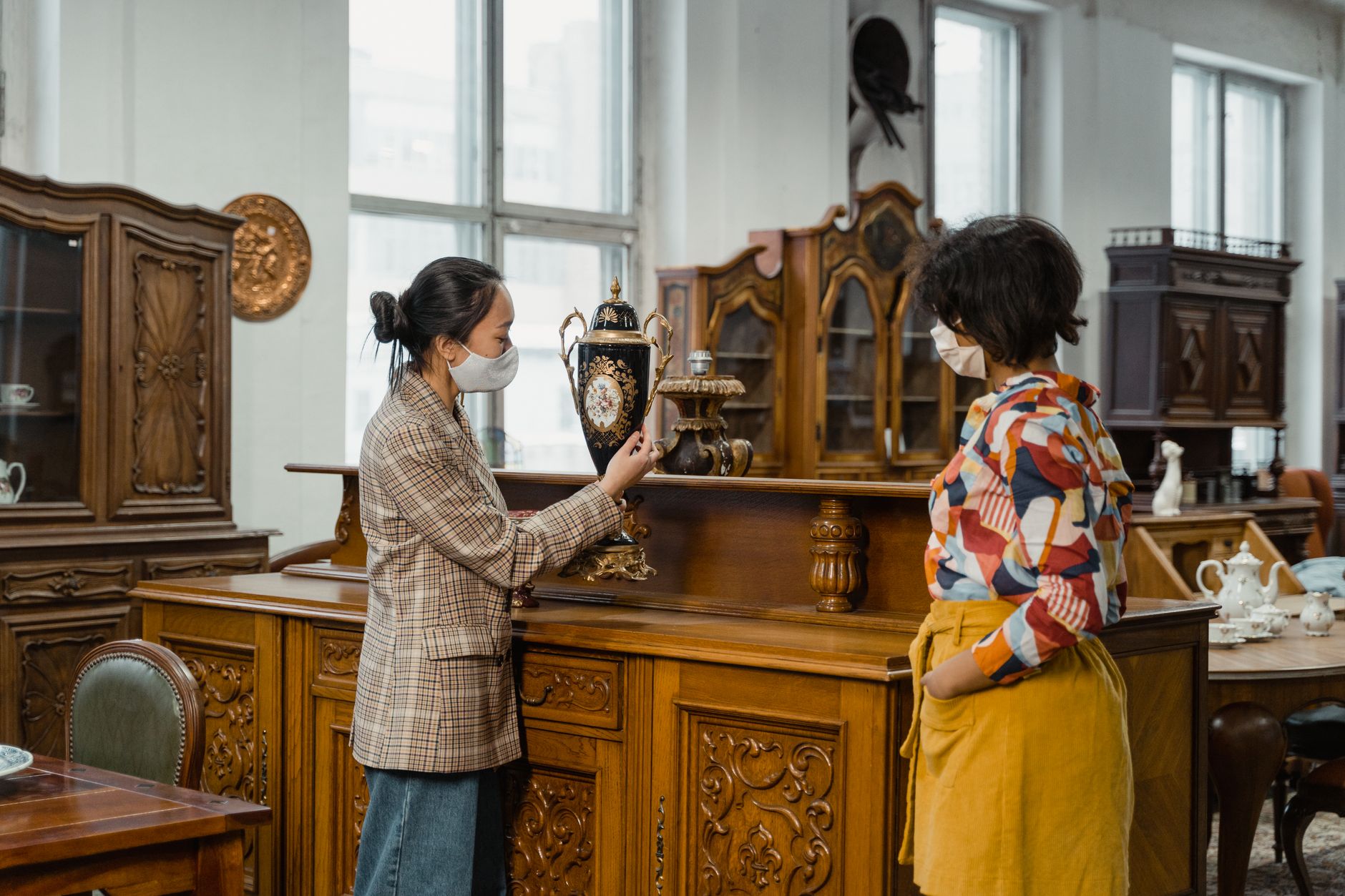
The antique world is whispering again. After decades of writing about this industry, I’ve watched the same cycle repeat: the pros move first, the magazines catch up six months later, and the public piles in just as prices peak. “I’ve written about antiques for decades—this is what I’ll be buying in 2026,” a legendary dealer told me last month at a private preview in Hudson, New York. She wasn’t talking about the obvious Mid-Century Modern or the tired Tiffany lamp narrative. She was loading her van with things most collectors walk right past.
This skyrocket antiques 2026 early buying guide isn’t about confirming what you already suspect. It’s about the categories still flying under algorithmic radar—the inventory gaps, the generational handoffs, and the cultural nostalgia waves that haven’t fully crested yet. If you’re reading this in late 2025 or early 2026, you’re still in the window. Not for long.
The “Grandmillennial Hangover” Is Creating Unexpected Winners
The grandmillennial craze of 2020-2023 sent chintz, brown furniture, and needlepoint through the roof. Then it crashed. Dealers got stuck with overpriced mahogany. But here’s what’s fascinating: the rejection of that aesthetic is creating its own opportunities.
1980s-1990s “country house” accessories—the brass swan planters, the fake topiary, the Ralph Lauren-adjacent equestrian prints—are becoming ironically desirable among buyers under 35. Not despite their bad reputation, but because of it. TikTok’s “coastal grandmother” pivot has morphed into something stranger and more specific: the “dated luxury” look.
What to hunt for now:
- Solid brass animal figurines from the 1970s-80s, especially swans, giraffes, and leopards (currently $15-40, projected $80-150 by late 2026)
- Faux bamboo furniture in original white or green paint
- Framed botanical prints with that distinctive mauve-matting era framing
The key is condition and patina. Reproductions are already flooding in from overseas. Original surface wear, original felt pads on bases, original hanging hardware—these are your authentication shortcuts.
Japanese Post-War Export Ceramics: The Category Nobody’s Talking About
Mid-Century Modern Japanese ceramics—Sasaki, Mikasa, Noritake’s progressive lines—occupied an awkward middle ground. Too “ethnic” for mainstream MCM collectors, too modern for traditional Asian art buyers. That middle ground is now fertile territory.
The 2026 inflection point? Japan’s cultural soft power is surging through anime, design, and food culture, and younger collectors want physical connections to that aesthetic world. Meanwhile, the original 1950s-70s export pieces are hitting estate sales in volume as that generation passes.
Specific targets:
- Bitossi-style Sasaki pieces with volcanic glazes (currently under $50, climbing to $200+)
- Studio Noritake abstract lines, especially the “Keltcraft” and “Progression” patterns
- Japanese modernist bronze and mixed-metal sculptures from the 1960s, often unmarked
Dealer secret: these pieces are frequently mislabeled as “Italian” or simply “modern” in estate sale listings. Search for texture, weight, and glaze quality rather than relying on descriptions.
The Physical Media Resurrection Is Spilling Into Objects
Vinyl’s comeback was the headline. The deeper story is a broader hunger for tactile, analog experiences in a world of AI-generated everything. This is creating demand for objects that embody pre-digital craftsmanship.
Typewriters are the obvious play, already moved. But the adjacent categories remain accessible:
- Mechanical adding machines and early calculators (Burroughs, Monroe, early Olivetti) in working condition
- Slide rules in original cases, especially post-war American and German manufacturers
- Reel-to-reel tape recorders in portable configurations, not just the high-end studio decks
The investment angle: these items are functional decor. A working 1960s adding machine on a desk signals something specific about the owner—retro competence, analog authenticity. That signaling value drives prices beyond pure collector demand.
Condition matters differently here. For adding machines and calculators, mechanical function trumps cosmetic perfection. A scratched Burroughs that still calculates is worth more than a pristine dead one. Test before you buy, or budget $75-150 for professional restoration.
The “Unloved Victorian” Is Due for Selective Rehabilitation
Brown furniture is still mostly brown furniture. But specific Victorian categories are separating from the pack, driven by interior designers seeking statement pieces for otherwise minimalist spaces.
The 2026 opportunity is narrow and precise:
- Aesthetic Movement pieces with incised decoration, especially ebonized wood with gilt highlights
- Eastlake-style walnut and cherry with original brass hardware (not the reproduction hardware that’s ubiquitous)
- Small-scale Victorian—what dealers call “apartment size”—rather than the massive pieces that dominated 1980s collecting
The designer angle matters here. Top interior designers are using single Victorian pieces as deliberate contrasts in contemporary spaces. That one-piece, high-impact approach favors quality and weirdness over matching sets.
Authentication tip: original finish on Victorian wood is increasingly rare and valuable. The 1960s-80s refinishing craze destroyed countless pieces. Look for shellac age crazing, original patina in hidden areas, and wear patterns that make sense. A “perfect” Victorian piece is usually a ruined one.
Your Early 2026 Action Plan
This skyrocket antiques 2026 early buying guide only works if you move before the content mills catch up. Here’s your practical framework:
January-March 2026: Focus on estate sales in senior communities and 55+ developments. The 1920s-1930s generation is nearly gone, but the 1940s-1950s first-home buyers are downsizing now. Their stuff is the target.
April-June 2026: Hit regional auction houses before the summer season. The “spring cleaning” consignments include inventory dealers haven’t cherry-picked yet. Look for Wednesday and Thursday auctions—lower attendance, better prices.
July-September 2026: Revisit and reassess. What’s moved? What’s lagging? The categories above have different velocity profiles. Japanese ceramics may move faster than Victorian rehabilitation. Adjust your hold/sell ratios accordingly.
Budget discipline: never more than 15% of your antique budget in any single category. The dealers who survive decades diversify their speculative plays. The ones who go bust bet everything on one trend.
The Bottom Line
The antique market in 2026 rewards specific knowledge over broad enthusiasm. The magazines will tell you about Art Deco revival and Scandinavian ceramics. They’re not wrong, but they’re late. The edges of the market—Japanese export ceramics, selective Victorian pieces, analog technology objects, the grandmillennial backlash—offer the asymmetric returns that built serious collections.
This skyrocket antiques 2026 early buying guide is a snapshot of a moving target. The dealers who shared these insights with me are already adjusting their own strategies. By the time you read this, some of these windows may be narrowing. The fundamental principle remains: buy what knowledgeable people are quietly accumulating, not what they’re publicly promoting.
Start with one category. Learn its authentication points. Visit five estate sales this month. Handle the objects. The market intelligence you develop is worth more than any single purchase. That’s how you build the instincts that identify the next skyrocket before it leaves the ground.