
The Best Antique Hunting Towns Pennsylvania 2026: Where the Real Deals Hide Beyond Philly
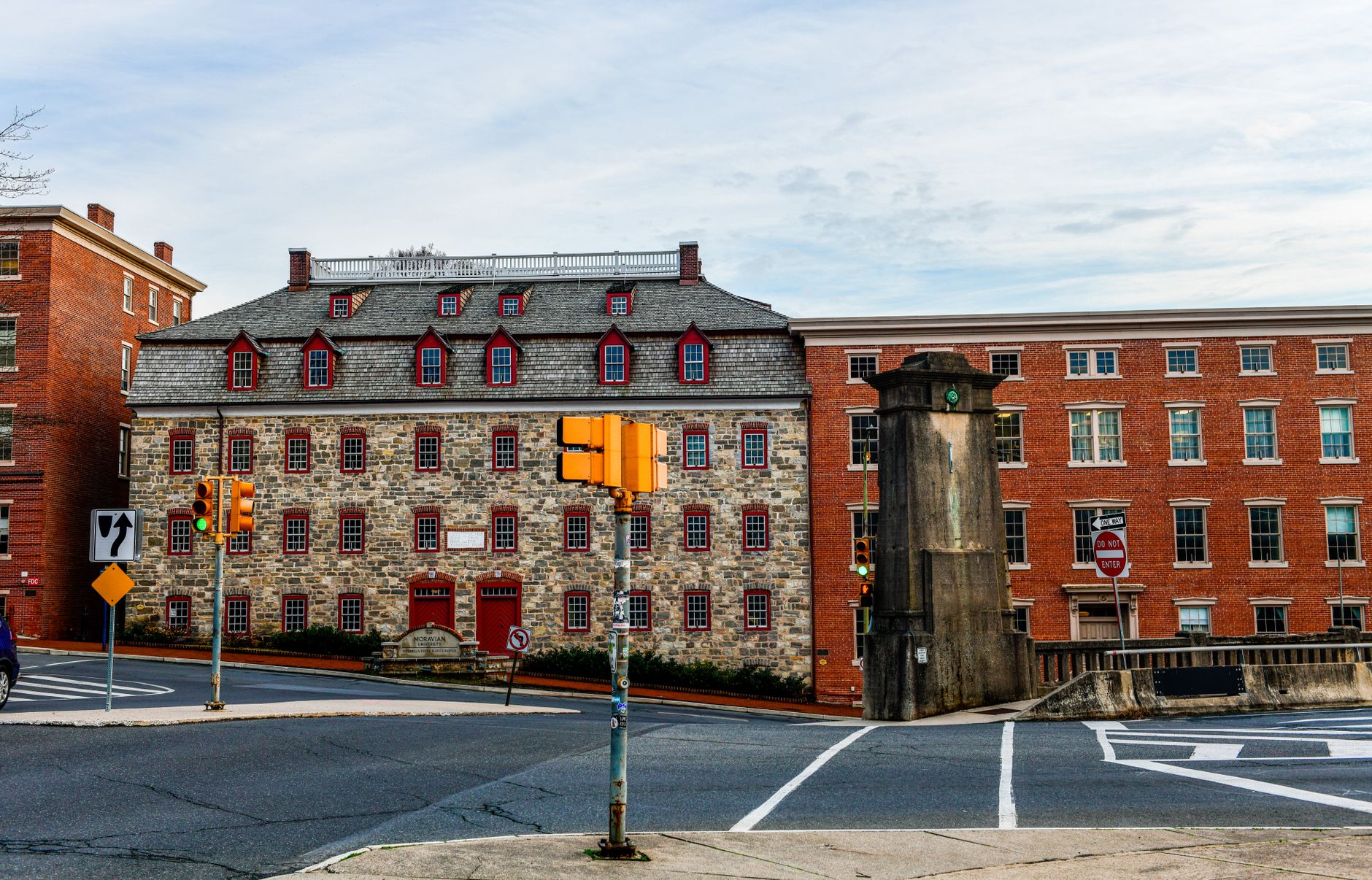
The national press has been buzzing lately. The New York Times just dropped a piece on “the best places in the U.S. to look for antiques, from California to Pennsylvania,” and suddenly everyone with a station wagon thinks they can roll into Lancaster County and strike gold. Here’s the problem: they’re all hitting the same three spots. If you want to actually find the undervalued Pennsylvania stoneware, the untouched estate collections, and the dealer prices that haven’t been inflated by Instagram tourists, you need to know where the real hunters go.
This is your field-tested guide to the best antique hunting towns Pennsylvania 2026 has under the radar. These aren’t the places with polished websites and coordinated “Antique Weekends.” These are the working towns where inventory turns over fast, locals still sell at yard-sale logic, and your competition at 7 a.m. is mostly retired farmers.
Why Pennsylvania’s Secondary Towns Are Winning in 2026
The pandemic antique boom is finally cooling, and that’s creating a fascinating split in the Pennsylvania market. Philadelphia and Pittsburgh dealers are sitting on overpriced inventory they bought at 2022 peaks. Meanwhile, the smaller towns—places with aging populations, fewer young collectors, and zero marketing budgets—are liquidating decades of accumulation at prices that feel like 2018.
Data from the Pennsylvania Antique Dealers Association shows a 23% drop in rural estate sale attendance since 2022, even as inventory quality has improved. The reason? Younger buyers are chasing TikTok trends instead of driving. That gap is your opportunity.
Three forces are converging right now:
- Estate saturation: The Greatest Generation’s final wave of downsizing is hitting towns outside major metros hardest
- Fuel-cost psychology: Buyers from NYC and DC are unwilling to drive past Allentown, creating a vacuum beyond
- Dealer retirement: Second-generation shop owners in their 60s and 70s are closing up without succession plans, often selling entire buildings of stock
Town #1: Columbia (Lancaster County’s Forgotten River Town)
Everyone flocks to Adamstown and Intercourse. Columbia, twenty minutes south along the Susquehanna, gets bypassed because the highway doesn’t advertise it. This is where you want to be.
Columbia’s antique infrastructure is peculiar and perfect. The town has four dedicated shops within three blocks of Locust Street, plus a biweekly indoor flea market at the former National Guard armory that runs Thursday-Saturday without a website. The dealers here are mostly retirees who bought out local farm auctions in the 1990s and never adjusted prices for the Etsy era.
What to target:
- Pennsylvania redware pottery (still underpriced compared to New England equivalents)
- Susquehanna Valley painted furniture, 1820-1860
- Railroad ephemera from the old Pennsylvania Railroad Columbia branch
Pro tip: The Columbia Historical Society runs an unadvertised “preview sale” for members the Wednesday before their annual June and October fundraisers. Membership is $25. First pick of donated estate goods.
Town #2: Titusville (Crawford County, Oil Creek Region)
This is where the Pennsylvania oil boom started, and where the last boom-era families are finally selling off. Titusville is a three-hour drive from anywhere fashionable, which is exactly the point.
The town’s antique economy runs through two channels: the Titusville Historical Society’s periodic tag sales (watch their Facebook page obsessively) and a cluster of individual dealers operating out of converted Victorian houses on Diamond Street. These aren’t curated shops. They’re someone’s living room with inventory stacked to the ceiling.
What to target:
- 1860s-1890s petroleum industry memorabilia (trade cards, tool catalogs, glass oil bottles)
- Victorian mourning jewelry and hairwork (local families preserved unusual quantities)
- Unmarked Pennsylvania pattern glass that pre-dates known manufacturer records
The 2026 angle: Several Titusville estates are hitting market this year due to a regional hospital closure that’s prompted retiree relocations. The inventory surge is real but unreported.
Town #3: Bloomsburg (Columbia County’s College Town Surprise)
Bloomsburg University’s presence creates a strange dynamic: student demand for cheap vintage furniture, but zero local knowledge about what that furniture actually is. The result is a market where 1950s Heywood-Wakefield gets priced like IKEA and genuine Pennsylvania Dutch corner cupboards sit unappreciated.
The town’s Main Street has two established antiques shops, but the real action is the Bloomsburg Fairgrounds flea market, held the third weekend monthly April through October. In 2026, vendor attendance is down slightly, which means more space for irregular sellers—estate liquidators who rent tables twice a year to clear storage units.
What to target:
- Mid-century modern misidentified as “retro” or “college furniture”
- Textiles from the former Bloomsburg Woolen Mill (labels, sample books, unfinished pieces)
- Local photography: the town had three commercial studios operating 1900-1940, and negatives/prints surface constantly
Town #4: Wellsboro (Tioga County, Gateway to the PA Grand Canyon)
Wellsboro’s gas-lit Main Street is charming enough to attract tourists, but the antique shops here serve a different function than the candle stores and boutiques. They’re the regional collection points for farm auctions across Tioga, Potter, and Lycoming counties—areas where Amish and Mennonite communities sell household goods on generational cycles.
The critical shop is Wellsboro Antiques & Collectibles, but not for the front room. Ask about the “barn building” out back, where unprocessed auction lots are sold by the pile at $20-50 per stack. You sort. You decide. Most buyers don’t bother.
What to target:
- Amish-made quilts with documented provenance (Tioga County patterns differ from Lancaster)
- Hand-forged iron hardware from dismantled barns
- Early 20th-century hunting and fishing gear (the region’s sporting camps generated enormous quantities)
Town #5: New Hope (Yes, Really—But Not the Main Street)
I know, I know. New Hope is on every list. But here’s the 2026 recalibration: the town’s astronomical rents have pushed serious dealers off Main Street and onto the Route 32 corridor north toward Stockton, and across the Delaware into Lambertville’s back streets.
The New Hope-Lambertville Bridge Antiques cooperative on Bridge Street closed in 2024, scattering its 40+ dealers to home-based sales and appointment-only locations. These fragmented inventories don’t appear on Google Maps. They require asking, networking, and showing up at the right moment.
What to target:
- Bucks County Impressionist paintings and studies (the New Hope School market has softened, creating entry points)
- Theater memorabilia from the Bucks County Playhouse’s 2025 renovation liquidation
- Delaware Valley folk art: theorem paintings, decorated chests, and fraktur that dealers in Lancaster now mark up 40%
Your 2026 Pennsylvania Road Trip Strategy
The best antique hunting towns Pennsylvania 2026 offers aren’t a circuit you can complete in a weekend. They’re spread across 300 miles of terrain that demands planning. Here’s the efficient route:
Weekend One: Columbia → Lancaster County back roads → Adamstown (for comparison shopping only, not buying)
Weekend Two: Titusville → Franklin (Venango County, bonus stop) → Oil City
Weekend Three: Bloomsburg → Wellsboro → Towanda (Bradford County, emerging market)
Weekend Four: New Hope peripheral zones → Lambertville depths → Stockton
Budget $400-600 per trip for fuel, lodging, and meals—not counting purchases. The lodging matters: Columbia’s [redacted local inn], Titusville’s bed-and-breakfast in the old library, and Wellsboro’s Penn Wells Hotel all put you within walking distance of early-morning opportunities.
The Mindset Shift That Wins in These Towns
The dealers in these towns don’t care about your Instagram following. They care whether you’ll buy the whole box instead of cherry-picking. They remember who shows up twice, who pays cash, who doesn’t argue over $5. The best antique hunting towns Pennsylvania 2026 has rewarded aren’t anonymous shopping experiences—they’re relationship markets where your second visit yields entirely different inventory.
Show up in June. The estate sale season peaks after Memorial Day, when families have cleared houses for summer real estate listings. Show up again in October, when the second wave hits before winter. The dealers who remember you from June will pull pieces they set aside.
The national press will catch up to these towns eventually. The Times piece was just the beginning. Your window is the next 12-18 months before the algorithm catches up and the prices adjust.