The Complete Antique Oil Lamp Chimney Replacement Guide: What 2026 Collectors Are Getting Wrong
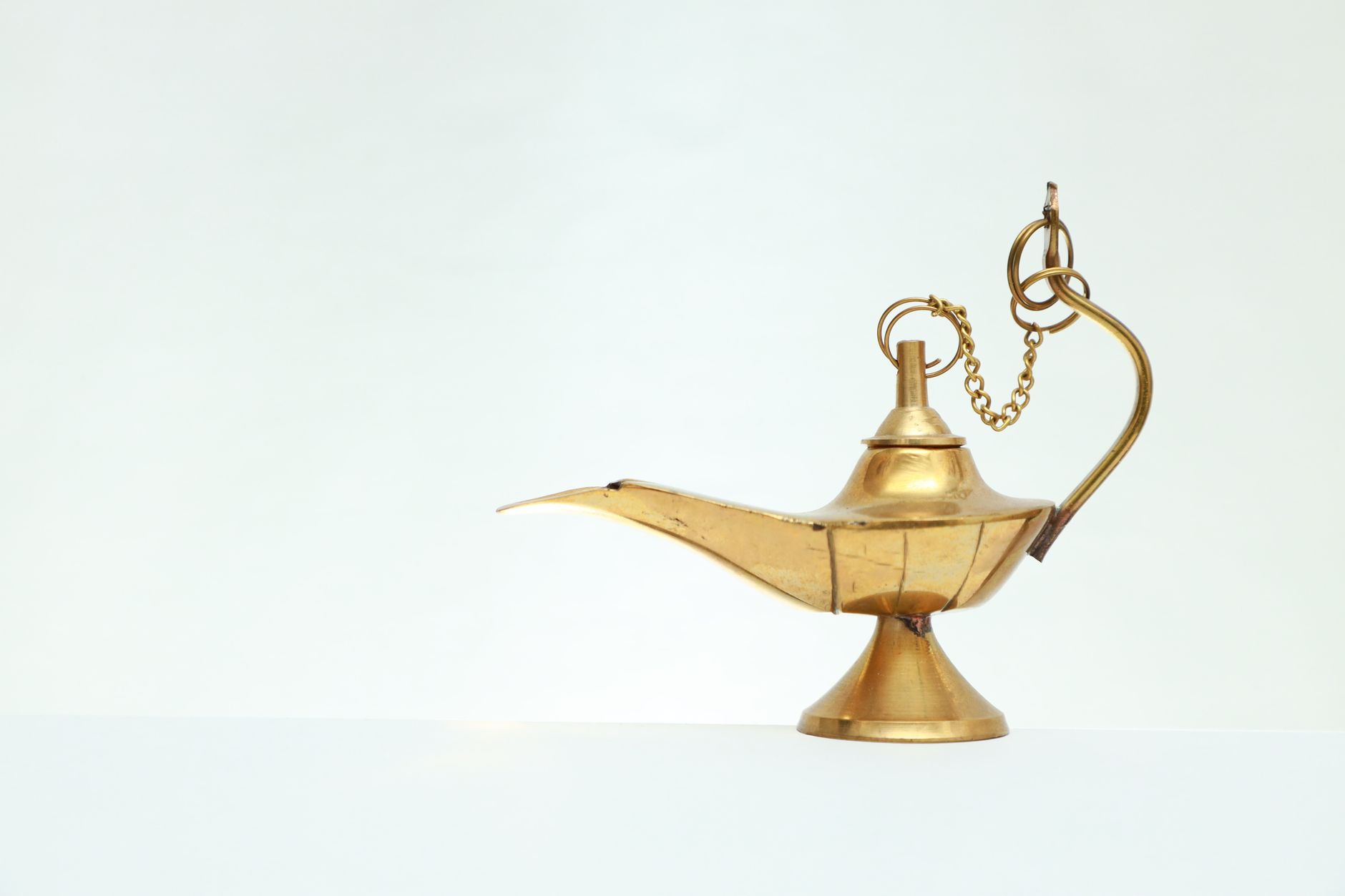
The 2026 surge in kerosene lamp collecting—fueled by TikTok cottagecore aesthetics and off-grid prepper trends—has created an unexpected problem: thousands of beautiful antique oil lamps are being ruined by well-meaning owners who grab the wrong replacement chimney. Estate sale aisles are now littered with cracked fittings, heat-shattered glass, and lamps that “just don’t draw right anymore.”
If you’ve scored a vintage Aladdin, Rayo, or Plume & Atwood at a summer estate sale and need to get it burning safely, this antique oil lamp chimney replacement guide will save you from the expensive mistakes even seasoned collectors make.
Why the Wrong Chimney Destroys More Than Just Light
A chimney isn’t decorative packaging—it’s a precision-engineered component of the lamp’s combustion system. The cylindrical glass creates the draft that pulls oxygen through the burner, controls flame height, and prevents smoke and soot from escaping into your room.
When collectors force a modern “universal” chimney onto an antique burner, three things happen: the flame gutters and smokes because the draft is wrong, the burner overheats and warps, and the glass itself often cracks from thermal stress within the first few burns. I’ve seen $400 Gone with the Wind lamps destroyed by $12 hardware store chimneys.
The 2026 market has made this worse. Reproduction chimneys from overseas sellers now flood Amazon and eBay, often labeled “vintage style” but made with thin, soda-lime glass instead of the borosilicate or proper lime glass used historically. These shatter at temperatures real chimneys handle easily.
Measuring Your Antique Lamp: The Numbers That Matter
Before you buy any replacement, you need four measurements. Skip even one, and you’re gambling.
Base diameter (fitter size): This is the width of the metal cup or ring that holds the chimney base. Standard antique sizes include 2-inch, 2.5-inch, 3-inch, and the rare 4-inch banquet lamp fitter. Measure across the inside of the metal holder, not the outside lip.
Chimney height: Measured from the base seating surface to the top edge. Common heights run 8, 9, 10, 12, and 14 inches, but specialized lamps—particularly student lamps and hanging library lamps—often need 16-inch or taller chimneys.
Bulb or shoulder width: The widest point of the chimney, typically 3 to 5 inches. Too wide, and the chimney won’t clear the shade holder on a center-draft lamp. Too narrow, and you restrict the flame’s oxygen supply.
Base style: Beaded, plain, or flared? The base must seat properly in the burner cup. A beaded base on a plain cup rocks and leaks air; a plain base in a beaded cup sits crooked and stresses the glass.
Pro tip from 2026 estate sale circuits: bring a small digital caliper and a printable measurement card to sales. Sellers rarely know chimney specs, and you can’t eyeball a 2-inch versus 2.5-inch fitter under fluorescent warehouse lighting.
Matching Glass Types: What 2026 Reproductions Hide
Original antique chimneys came in several glass formulations, each with different thermal properties and visual characteristics:
- Borosilicate (early 20th century, particularly Aladdin): Handles rapid temperature changes, slight yellowish tint under bright light, often marked with manufacturer codes
- Lime glass (most common 1880-1930): Clearer than borosilicate, more prone to thermal shock, develops characteristic surface patina over decades
- Opal/milk glass (some banquet and parlor lamps): Opaque white, extremely sensitive to heat gradients—never use on high-output burners
- Cased or colored glass (art nouveau era): Layered colors, often hand-finished; replacements are nearly impossible to match exactly
The 2026 reproduction market has introduced “thermal shock resistant” labeling that means nothing. Ask sellers specifically: “Is this borosilicate or soda-lime?” Soda-lime glass—the standard for modern drinkware and cheap lamp parts—will crack when heated above 300°F, while proper lamp glass handles 500°F+ routinely.
Where to Source Authentic Replacements in 2026
The supply chain for quality chimneys has shifted dramatically. Here’s where successful collectors are actually buying in 2026:
Specialist lamp dealers (B&P Lamp Supply, Antique Lamp Supply): Higher prices ($25-65 per chimney) but guaranteed proper glass and accurate sizing. Essential for Aladdin, Rayo, and other center-draft models.
Estate sale “parts boxes”: The hidden goldmine. Many estate sales have boxes of mixed chimneys from dissolved collections. Bring your measurement card and check every piece. Typical cost: $3-8 each, but you’ll sort through dozens of cracked or mismatched pieces.
Regional lamp shows: The 2026 circuit includes specialized shows in Ohio, Pennsylvania, and Texas where dealers bring actual inventory you can handle. The National Association of Aladdin Lamp Collectors (NAALC) regional meets are particularly reliable for hard-to-find sizes.
What to avoid: Amazon “universal fit” chimneys, eBay sellers with stock photos only, and any listing without specific base diameter and height measurements. The return rate on these purchases exceeds 60% according to collector forum data from early 2026.
Installation and First Burn: Protecting Your Investment
Even the right chimney fails if installed poorly. Follow this sequence:
- Inspect the burner cup: Remove old wick residue, carbon buildup, and any bent metal. A distorted cup seats the chimney unevenly, creating stress points.
- Check for chips: Run your finger around the chimney base. Any chip larger than 1/16 inch means the chimney won’t seat properly and will likely crack on first heating.
- Warm the glass: On first use, light the lamp with the chimney in place but let it burn at minimum flame for 10 minutes before adjusting higher. This gradual heating prevents thermal shock.
- Monitor the flame pattern: A proper chimney produces a tall, steady flame with minimal flicker. Dancing, smoking, or yellow-tipped flames indicate poor draft—usually wrong chimney dimensions.
The 2026 collector’s rule: never leave a newly chimneyed lamp unattended for the first three full burns. Glass defects not visible in daylight often reveal themselves under heating stress.
Conclusion
The antique oil lamp chimney replacement guide approach that works in 2026 combines old-school measurement discipline with modern sourcing caution. As kerosene lamps continue their unexpected resurgence—both as functional off-grid lighting and as Instagram-worthy décor—the pressure on remaining original chimneys only increases.
Get your measurements right, insist on proper glass composition, buy from sources that understand lamps rather than generic drop-shippers, and take time with that critical first burn. Your estate sale find deserves to light another century, not become tomorrow’s “learning experience” on a collector forum.
The glow of a properly functioning antique oil lamp, chimney drawing steady and flame burning true, remains one of collecting’s most satisfying rewards. Do the replacement right, and you’ll understand why these lamps survived 100 years already—and why they’ll outlast most of what’s sold as “vintage style” today.