
Why the 2026 Antique Trends Primitive Style Comeback Is the Smartest Hunt for Budget Collectors
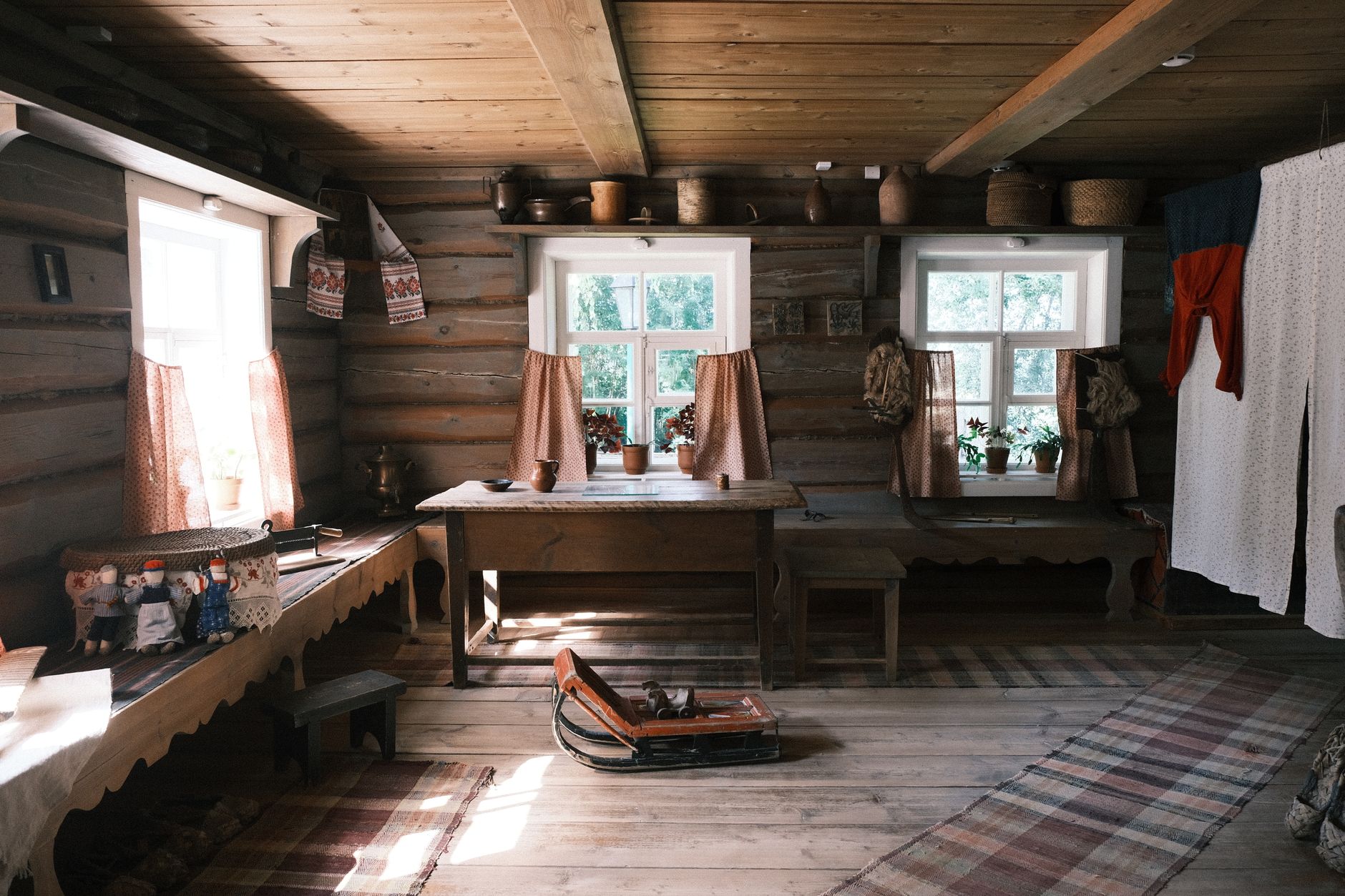
Walk into any estate sale in the Ohio Valley this summer and you’ll notice something strange: the primitive corner—the one with the cracked dough bowls, the pumpkin pine cupboards, the butter churns with missing paddles—is drawing crowds before the sterling silver even gets touched. Estate liquidators are scrambling to reprice pieces they marked “country junk” just eighteen months ago. The 2026 antique trends primitive style comeback isn’t approaching. It’s already rearranging auction rooms and forcing a reckoning about what “valuable” actually means in today’s market.
This resurgence carries a particular urgency right now. As the hunting blog Hunting for Vintage noted in their widely circulated spring forecast, “Hot Antiques for 2026…Maybe!” — primitive pieces made their list with a telling caveat: buyers are hunting them aggressively, but authentic examples remain undervalued compared to mid-century modern or Art Deco equivalents. That gap is the opportunity. The hesitation in “maybe” is your window.
What “Primitive” Actually Means (And Why 2026 Redefined It)
The term gets thrown around loosely. In antique circles, primitive refers to hand-built, utilitarian objects made before widespread industrial manufacturing—roughly pre-1880, though regional variations stretch this. Think splint-bottom chairs with uneven rungs, pantry boxes with visible chisel marks, redware crocks with glaze drips that would fail any factory inspection.
What changed in 2026? Several forces converged:
- The “quiet luxury” fatigue: After years of aspirational minimalism, younger buyers (ages 28-42 now represent the fastest-growing demographic at rural auctions) are gravitating toward objects with provenance of use—things that show human handling
- Sustainability narrative: Primitive pieces carry inherent eco-credentials; they were locally sourced, built to last generations, and repaired rather than discarded
- Social media visual culture: The “rustic shelfie” aesthetic—layered cutting boards, ironstone stacks, grain-painted boxes—performs exceptionally well on visual platforms, creating demand from content creators who need authentic backdrops
Crucially, this isn’t reproduction-driven demand. The 2026 antique trends primitive style comeback specifically favors patina over perfection. A 2023 reproduction with artificial distressing currently sells for 40% less than a genuinely worn 1840s piece at comparable retail—buyers are learning to distinguish the difference, and prices are separating accordingly.
The Five Primitive Categories Where Prices Are Still Rational
Not everything primitive is equally positioned. Based on auction tracking through mid-2026, these subcategories offer the strongest combination of availability, authentication confidence, and upside:
1. Paint-Decorated Furniture
Grain painting, smoke decorations, and freehand floral motifs on pine or poplar are outperforming unpainted equivalents by roughly 25% at New England auctions. The key: original surface matters more than perfect condition. A scrubbed-top table with worn paint sells faster than a refinished piece with “better” appearance.
Hunting tip: Bring a 10x loupe. Original milk paint shows crystalline structure under magnification; modern latex sits flat. Test hidden edges with a damp cotton swab—original paint won’t transfer color.
2. Redware and Stoneware with Folk Elements
The 2026 surge has particularly benefited Pennsylvania German and New York State examples with incised or slip-trailed decoration. Even damaged pieces—chipped rims, hairlines—are moving at prices that would have seemed ambitious in 2023.
Price reality check: A 2-gallon stoneware crock with cobalt slip decoration and a 3-inch hairline sold for $340 at a Lancaster County auction in June 2026. The equivalent undamaged piece brought $890. Three years ago, the damaged example might have fetched $90.
3. Textile Tools with Wear
Wool winders, flax breakers, and spinning wheel components are crossover hits—functional sculpture for buyers who’ve never processed fiber. The 2026 antique trends primitive style comeback has particularly elevated patent-dated examples (even partial dates legible) because they anchor objects to specific makers and regions.
4. Treenware in Sets
Individual butter paddles or spoon holders remain modest. But matched or complementary sets—three graduated pantry boxes, a pair of trenchers with similar wear patterns—are commanding premiums. The collecting psychology has shifted from “interesting single object” to “curated accumulation.”
5. Architectural Salvage Elements
Original door latches, hand-wrought hinges, and shutter hardware are being repurposed as wall-mounted display pieces. A 2026 phenomenon: interior designers are buying authentic hardware in quantity for boutique hotel projects, creating wholesale demand that individual collectors can still access at estate sales before the trade buyers arrive.
Where to Hunt Before the General Public Catches Up
The geographic dimension of this comeback matters. Primitive pieces carry regional identity that mid-century modern largely lacks—a Connecticut sunflower-painted chest tells a different story than an Ohio Valley example with similar motifs. Smart hunters are targeting origin zones before pieces migrate to national markets:
Current undervalued territories (as of summer 2026):
- Northern Maine and Vermont: Aging populations, limited dealer infrastructure, strong estate sale density
- West Virginia and Eastern Kentucky: Coal region family collections hitting market as properties transfer; minimal local auction competition
- Michigan’s Thumb region: Scandinavian immigrant primitives largely undiscovered by broader market
The estate sale timing advantage: Primitive pieces often surface at first-day, full-price estate sales because dealers dismiss them as “not worth the early admission.” The 2026 antique trends primitive style comeback hasn’t fully penetrated estate liquidator pricing knowledge. Arrive with specific category expertise, and you’re negotiating against outdated assumptions.
Online, specialized Facebook groups (particularly regional primitives communities with 10,000-40,000 members) are currently outperforming general platforms for both sourcing and price research. Members share auction results in real time, creating informal price guides that update faster than printed references.
Authentication Without Expert Certification
The primitive market’s accessibility stems partly from approachable authentication. Unlike fine art or high jewelry, you don’t need laboratory analysis. Develop these three skills:
Wood species identification: Primitive builders used what grew locally. A “pine” cupboard in Georgia should raise questions; in Maine, it’s expected. Carry a pocket reference for regional species.
Construction logic: Hand-planed surfaces show subtle undulations. Machine-planed wood, even from the 1890s, reads uniformly. Run your fingertips across the back of boards—this is where factory finishing often skipped.
Replacement detection: The 2026 market punishes inappropriate restoration. Learn to spot modern screws (uniform threads, sharp points), replaced hardware (too precisely fitted), and synthetic finishes (fluorescence under UV light).
The comeback has spawned predictable reproduction activity, but primitive aesthetics are genuinely difficult to fake convincingly. The wear patterns of 150 years of use—specifically, the variability of that wear—remain the best authentication tool available.
The Investment Case for 2026 Entry
Here’s the strategic reality: the 2026 antique trends primitive style comeback is occurring while the category remains under-institutionalized. No major price guide dominates. No auction house has established a dedicated primitive department. Museum deaccessions (a traditional price driver) are minimal because folk art curators have already claimed the masterpiece-grade examples.
This means the middle market is moving first—the very tier accessible to dedicated collectors without six-figure budgets. The “maybe” in Hunting for Vintage’s forecast reflects uncertainty about whether primitive will achieve blue-chip investment status or remain a passionate collector’s domain. Either outcome benefits informed buyers who entered at current price levels.
Historical precedent suggests patterns. The 1970s country antique boom created pricing that took decades to revisit. The 1990s Shaker revival similarly peaked and receded. But each cycle left certain authentic examples permanently repriced upward. The 2026 iteration differs in one respect: global supply constraints on quality vintage goods mean that genuine primitive pieces, once collected, are unlikely to re-enter market circulation in volume.
Your 90-Day Action Plan
The 2026 antique trends primitive style comeback rewards preparation over impulse. For collectors positioned to act:
- Week 1-2: Define your regional focus and study corresponding wood types, paint traditions, and documented maker communities
- Week 3-4: Establish relationships with 3-5 estate sale companies in your target geography; request primitive-heavy notification lists
- Week 5-8: Attend 4-6 sales or auctions without purchasing, building calibration for current condition pricing
- Week 9-12: Execute first purchases with documentation discipline—photograph wear patterns, record provenance details, note acquisition context
The primitive pieces entering your collection in 2026 carry something increasingly scarce: the certainty of genuine age in a market flooded with ambiguity. That certainty, more than any aesthetic trend, is what’s actually coming back.